

Checkin2flow-training
This training is for organizations that want to proactively invest in mental resilience and fortitude:
Proactively identifying stress and absenteeism risk
Having difficult conversations with confidence
Breaking ineffective behavioral patterns
Strengthening teams, quality, and safety
_websize.jpg)
The impact of stress on organizations
Let's first look at the figures. Stress has become one of the biggest causes of absenteeism in the Netherlands: 1 in 4 sick leave days is stress-related. In total, this amounts to an estimated 40 to 45 million sick leave days per year, and that number continues to rise.
The impact extends beyond the individual
The consequences, of course, affect the employee who is absent, but they don't stop there. Teams come under pressure, the burden on colleagues increases, and productivity declines. Ultimately, the impact is felt throughout all levels of the organization.
Financial damage quickly adds up
Employees are absent for an average of about 8 months, with higher figures for burnout. The costs can quickly amount to €60,000 to €100,000 per employee. The total costs of stress-related absenteeism in Dutch businesses are estimated at €7 to €8 billion per year.
An organizational issue, not an individual problem
Therefore, in our view, stress is not just a human issue, but one of the biggest organizational challenges of our time.
These figures convey a clear message: "investing in mental resilience is no longer a luxury."
1 in 4 sick leave days is stress-related
40-45 million stress-related sick leave days per year
Burnout leads to an average of 8 months of absence
€7-8 billion in annual costs for businesses
Mental Resilience as the Foundation for Strong Organizations
What to Expect from the Checkin2flow Training?
The Checkin2flow training is an intensive 2-day program that is practical and directly applicable. We work in an accessible and interactive way, using experiential learning, reflection, and scientifically proven tools. Participants learn to better understand stress, recognize early warning signs, and act consciously upon them. Not by "fixing" things, but by understanding what's happening and what's needed. It's not therapy, but a psychologically safe environment where there is room to learn and develop.

Faster identification and discussion of stress and patterns
We explore what stress does to us and how team patterns can amplify or perpetuate tension. Stress itself isn't the problem, but prolonged and unaddressed overload poses a risk. This insight leads to earlier recognition of signals, both in oneself and in others, before tension accumulates. This creates space to initiate timely conversations and take targeted action.

Awareness Through Practical Exercises
We use experiential exercises and in-the-moment reflection, which we directly translate into practical theory and applicable insights for daily practice. This increases awareness of one's own behavior and automatic reactions, allowing participants to make more conscious choices about how they respond in high-pressure and tense situations. This leads to greater control, clearer communication, and better responses in daily work.

Deepening Mental Resilience
We work on how to recognize and regulate tension within ourselves and in teams, and how to maintain stable functioning under pressure. This ensures that people better handle challenging situations and continue to communicate and act clearly, even under pressure. The result is greater peace of mind, well-being, improved collaboration, quality, and safety.

Leadership in Team Dynamics
We strengthen the role of leaders in identifying, discussing, influencing, and improving team dynamics in daily practice. This gives leaders more control over what's happening in their team, helps them intervene promptly when tensions arise, and increases their confidence and effectiveness in managing collaboration and behavior. The result is greater openness, clarity, and accountability within teams, even when pressure mounts.
These points illustrate what's happening in many organizations and where the greatest opportunities lie
These points illustrate what's happening in many organizations and where the greatest opportunities lie. We see them recurring across diverse teams, sectors, and organizations. And precisely there lies the opportunity to make a difference.

Pressure and change demand more and more from people and organizations

Middle management daily determines energy, collaboration, and performance

The human aspect of leadership is often underdeveloped

Early detection helps shorten/prevent stress-related absenteeism

About us
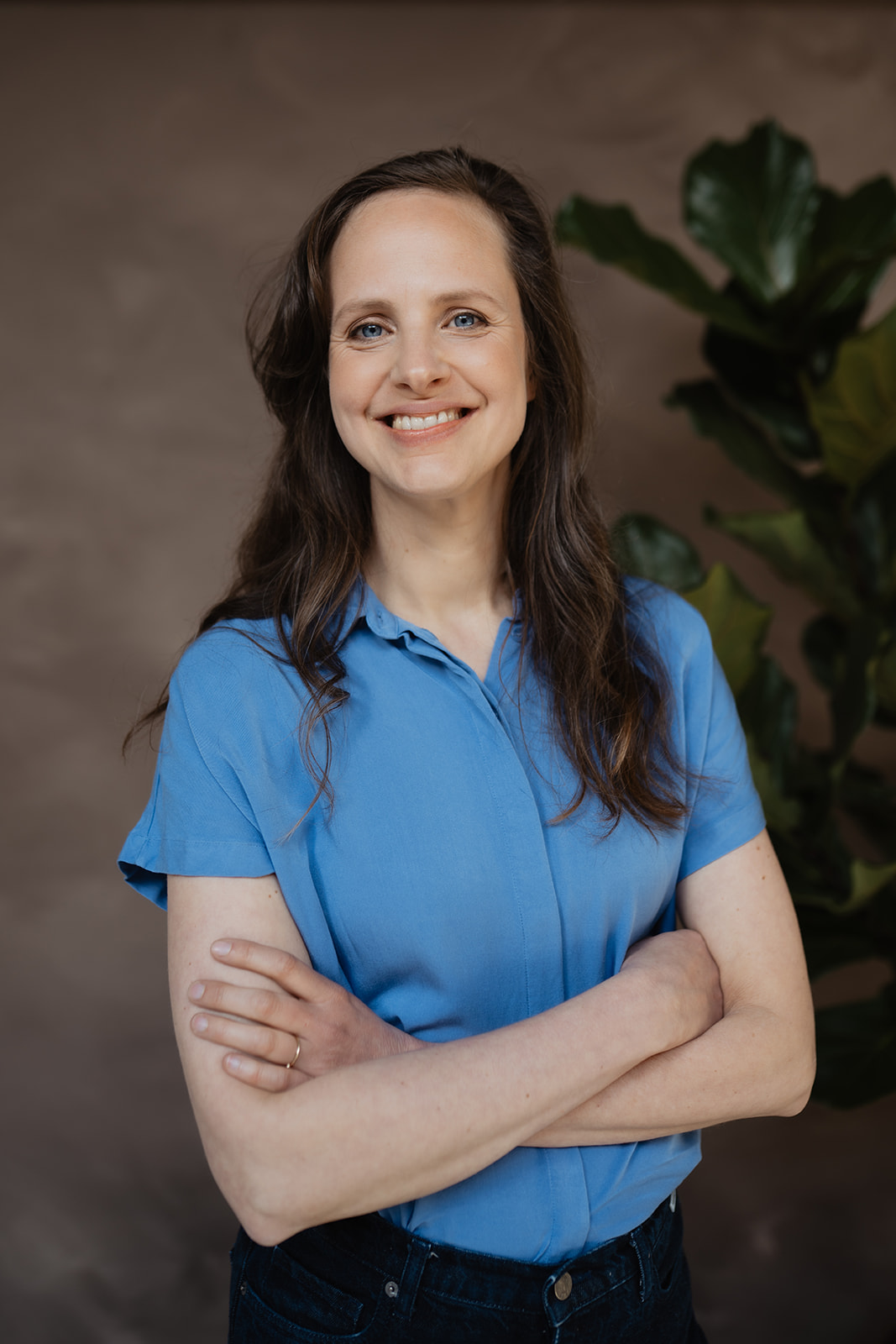
For the Checkin2flow training, I collaborate with Karen, an experienced trainer and coach with a keen eye for human behavior and group dynamics. Her style seamlessly aligns with the Checkin2flow vision: calm, attentive, and focused on genuine depth within the group. Together, we create a safe setting where participants can reflect, learn, and truly get moving.
About Karen
I love change, and yet I sometimes find it challenging. Our current world, where developments are moving at lightning speed, demands a great deal of adaptability and resilience. To adjust, to lead the way, or to move with the flow. In my work as a trainer / process facilitator, I frequently visit organizations that feel challenged. How do we ensure that we do the right things today that will help us tomorrow in an ever-changing world? With a background in change management and coaching, my interest has always been in the impact on people within organizations. How do we do the right things so that human potential is utilized effectively and sustainably? I have experience in creating momentum at all levels of organizations. I am convinced that one of the most crucial and powerful elements in this is connection. Connection with yourself, but also with colleagues. To know where you stand and how you can contribute optimally in a way that energizes rather than drains you. More awareness! That's what I wish for organizations. So that people take more ownership of their own resilience. Proactively engaging in conversations about this contributes to greater resilience and adaptability. With my open attitude, sensitivity, and results-oriented drive, I am very happy to contribute to this!
.jpg)
About Sandra
From a young age, I've been fascinated by people. By what drives them, how they collaborate, and what happens under pressure. This interest further developed in my work at KLM, where I worked in an international environment with diverse cultures and teams, where communication and collaboration made a difference every day. Later, I brought that curiosity to my work at an international training agency, where I worked with organizations worldwide on safety culture, leadership, and team development. What always struck me most was the immense influence of human behavior and how little room there often is to truly reflect on it. In my work, I still see how the focus is often on results and output, while the human aspect is precisely what determines how people feel, collaborate, and perform. And how difficult it sometimes is to have conversations about what's truly going on. For me, everything comes together in the Checkin2flow training. When people become more aware of what's happening within themselves and in others, space is created. Pausing and truly checking in is often exactly what's needed to get moving again, with greater clarity, connection, and resilience. And that has a ripple effect. Not just at work, but also in how people live and connect. Perhaps a better way of living together simply starts there; with ourselves and in how we relate to others.
Ready to get started?
Do you have a question or want to know if this training is right for your situation? Feel free to send me a message. I'd be happy to connect for an initial conversation.
_websize.jpg)